
Complementary instruments such as Chappa or Chanchiki are an integral part of the musical arrangement in many Taiko groups. They set clear signals, support the timing, and provide precise accents in the ensemble playing. Here you will find traditional instruments that meaningfully complement your Taiko playing.
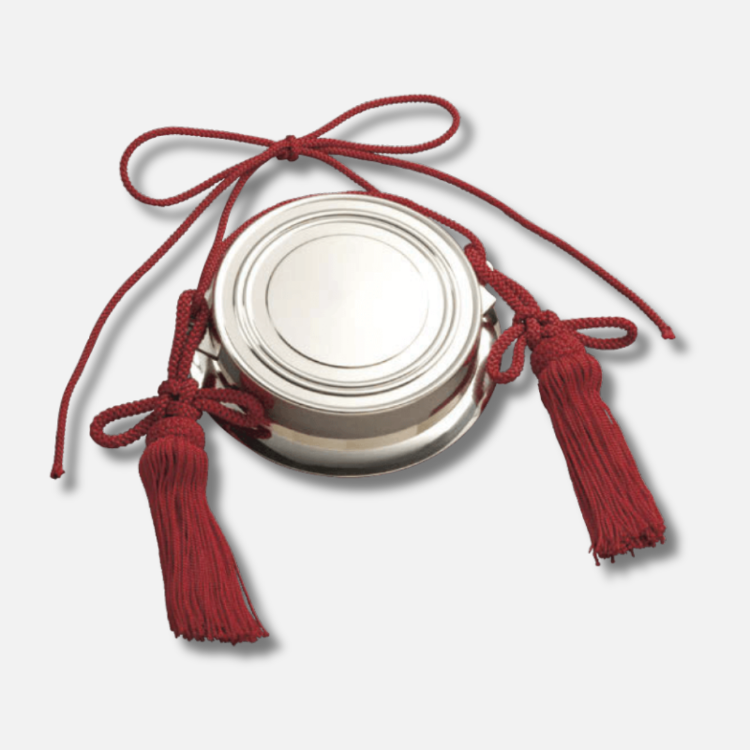
Chanchiki made of brass · 12 cm
179,00 €
239,00 €
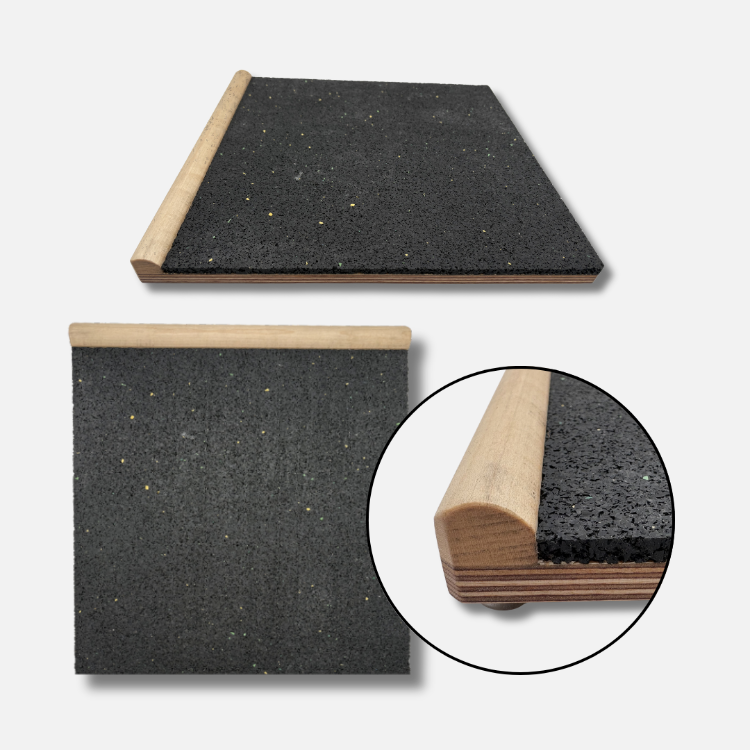
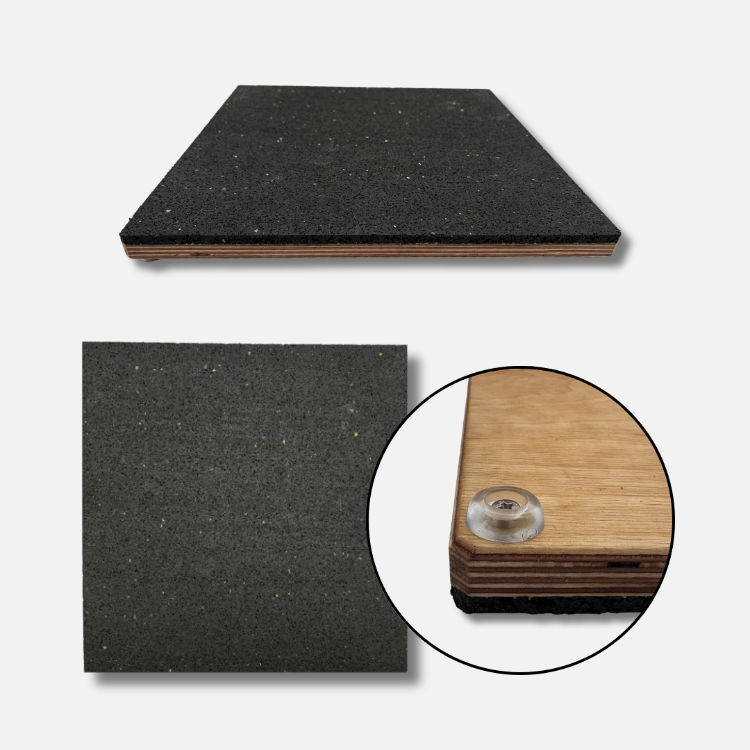
Practice pad for taiko training
From 32,00 €
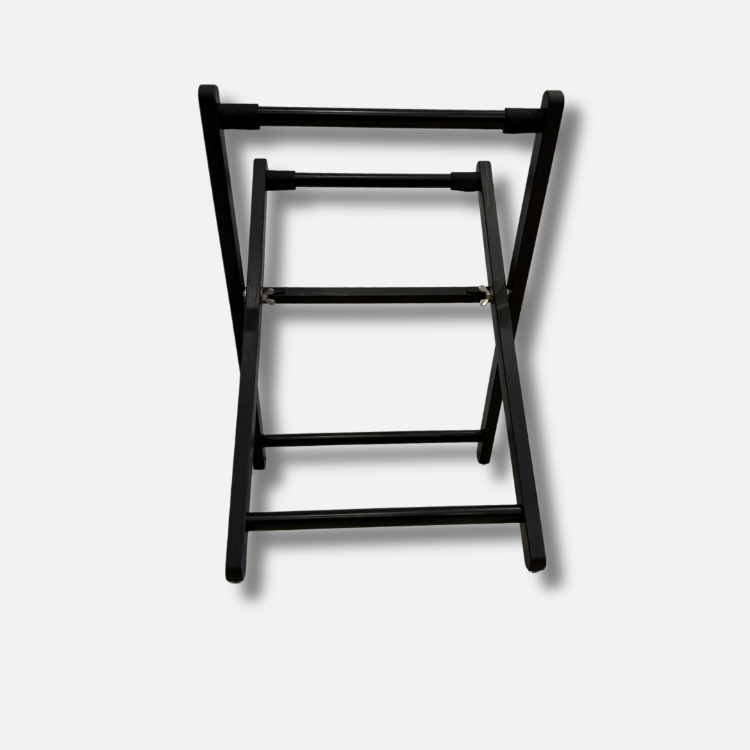
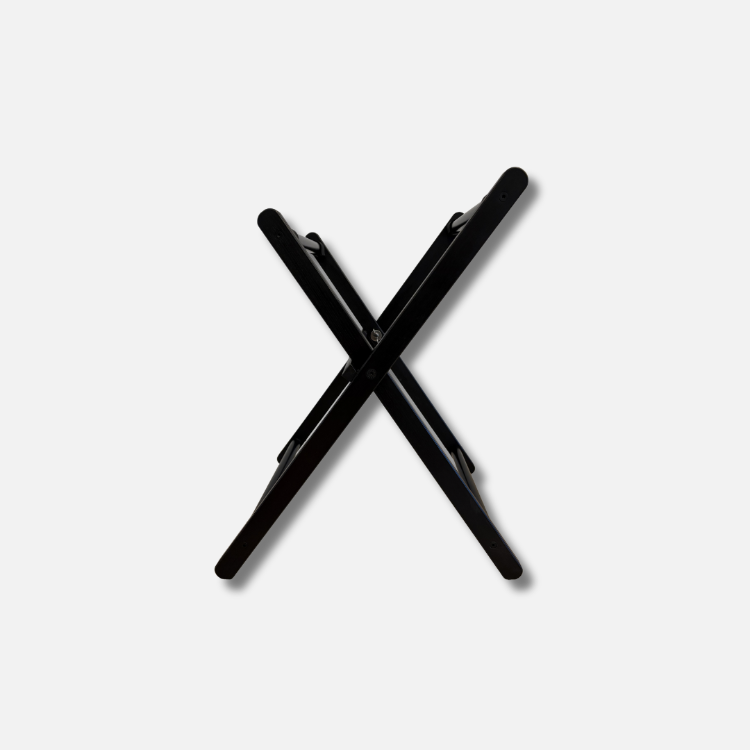
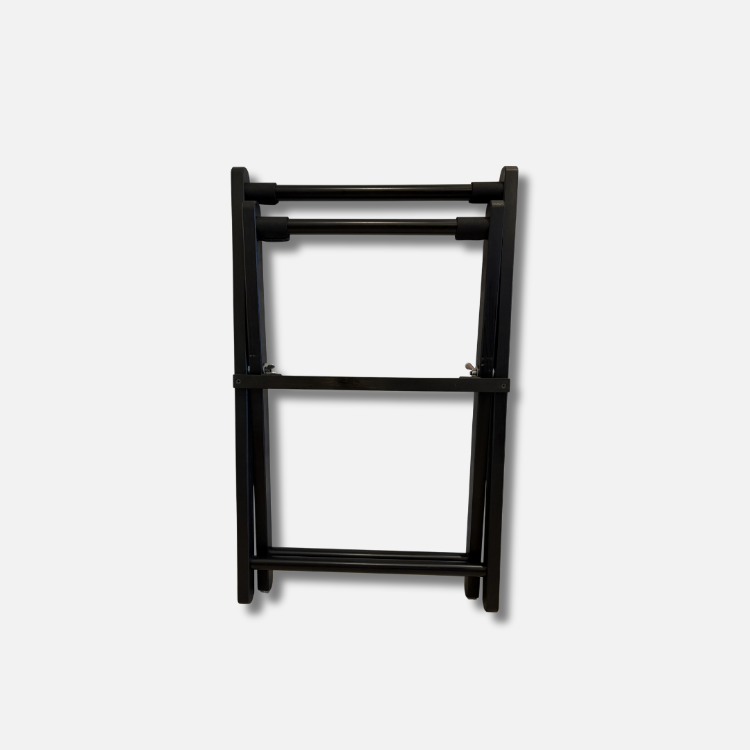
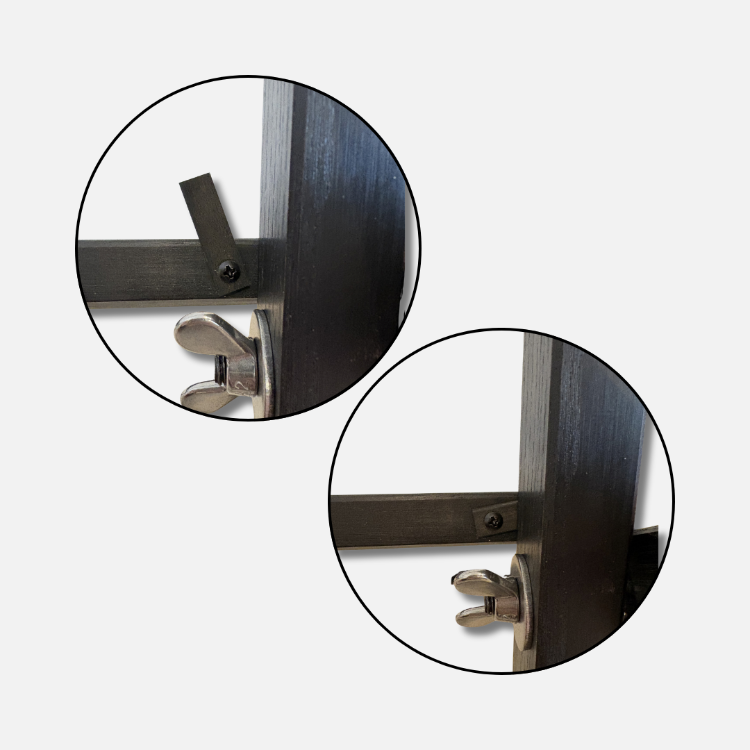
198,00 €
Taiko Instruments for Rhythm, Signals, and Accents
Small instruments often play important roles in Taiko. They give cues, mark rhythm changes, and add sonic accents that support the interplay within a group.
In this category, you'll find supplementary Taiko instruments like Chappa and Chanchiki. They are used in both training and performances and help to make timing, dynamics, and structure within a piece clearly audible. Their penetrating sounds make them easily noticeable even in larger ensembles.
Whether you want to expand your existing Taiko setup or specifically introduce new tonal colors: here you'll find instruments for precise signals, rhythmic orientation, and musical accents in Taiko playing.
Frequently Asked Questions about Taiko Instruments
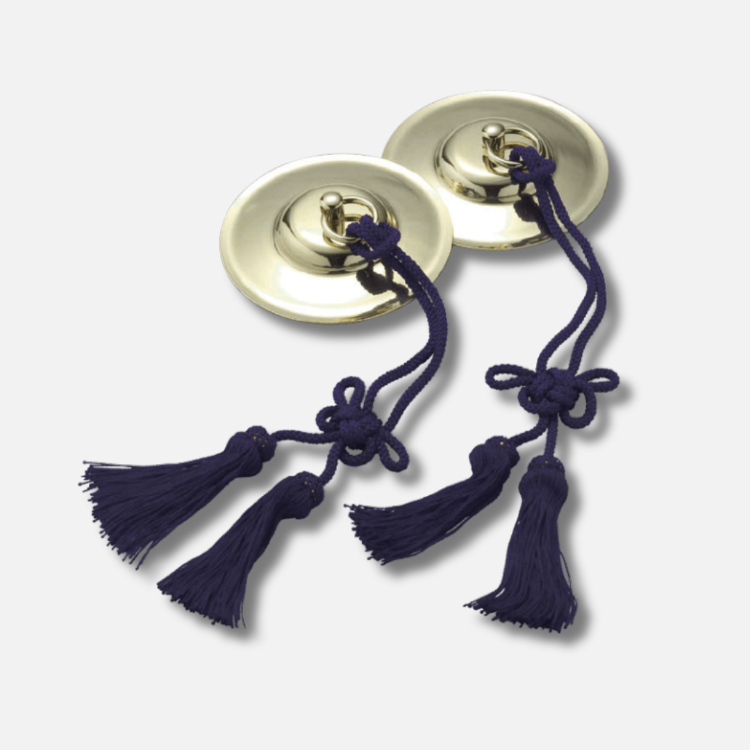
What are Chappas?
Chappas consist of two small metal cymbals that are struck against each other. In taiko, they are often used to mark entrances, keep time, or add rhythmic accents.
What is a Chanchiki?
A Chanchiki is a small Japanese metal instrument with a bright, piercing sound. It is often used for signals, rhythm markings, and special accents within a piece.
What are small instruments used for in Taiko?
Small instruments support group interaction. They assist with entrances, transitions, tempo changes and provide additional tonal variety.
Are Chappa and Chanchiki also suitable for beginners?
Yes. The instruments are easy to learn and are often used by beginners. They promote a sense of rhythm and help to better understand the structure of a piece.
Do I need supplementary instruments for Taiko?
Not necessarily. For many Taiko players, the focus is initially on the drums and bachi. However, chappa and chanchiki can enrich the ensemble playing and open up additional musical possibilities.