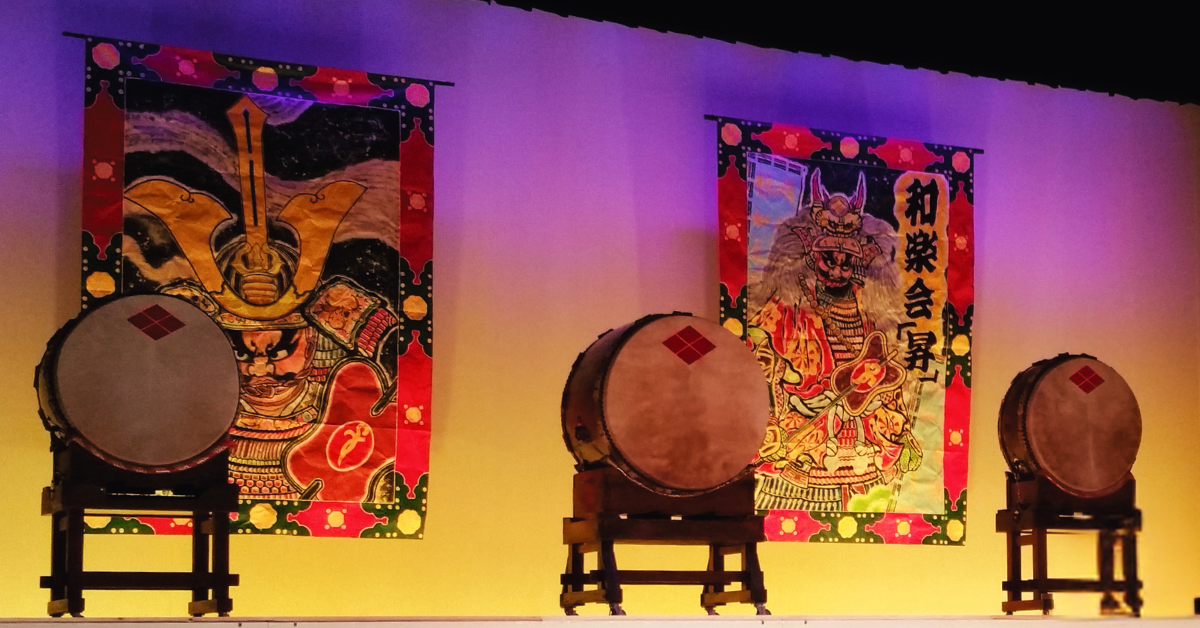
The characteristic sound of a taiko drum is not accidental. Besides playing technique and rhythm, materials and types of wood play a crucial role. Whether drum body, drumhead, or bachi – every element influences sound, response, and playing feel.
Here you will learn what materials taiko drums and accessories are made of and how they affect the sound.
Why materials science is so important in taiko
Taiko is a very direct form of drumming. The beats are not muffled or distorted, but unfold openly and powerfully. This makes differences in the materials used particularly noticeable.
Good material means:
-
clear, resonant sound
-
better control while playing
-
durable instruments
-
consistent response
Those who understand their instrument can play more consciously – and choose accessories more effectively.
The construction of a taiko drum
A classic taiko drum essentially consists of three components:
-
drum body
-
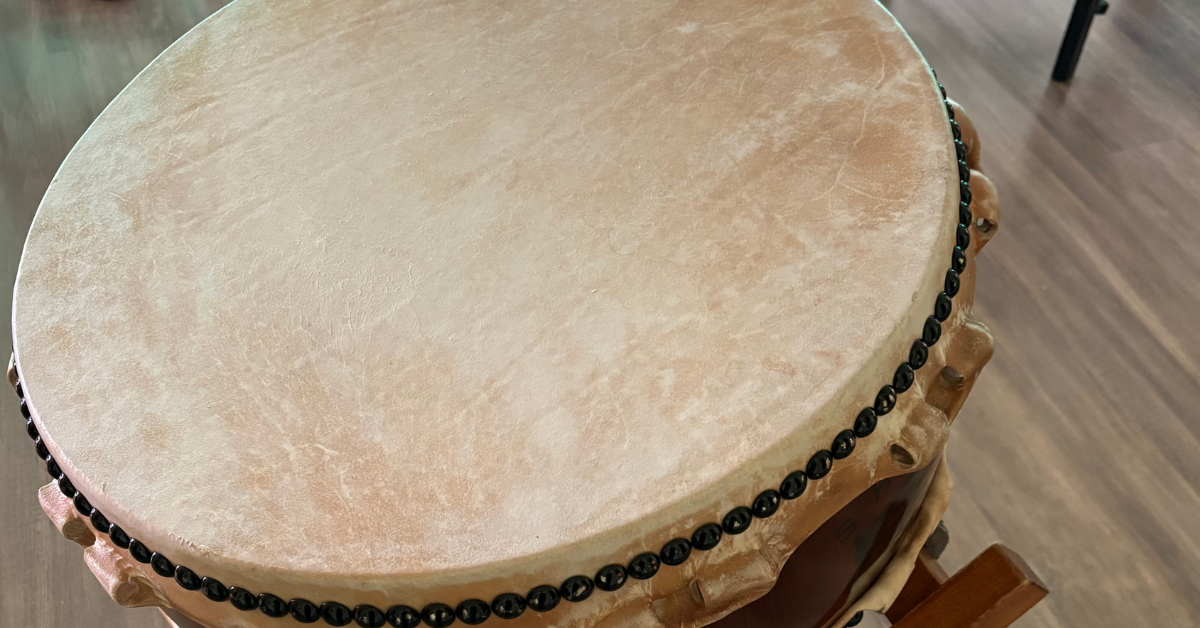
drumhead
-
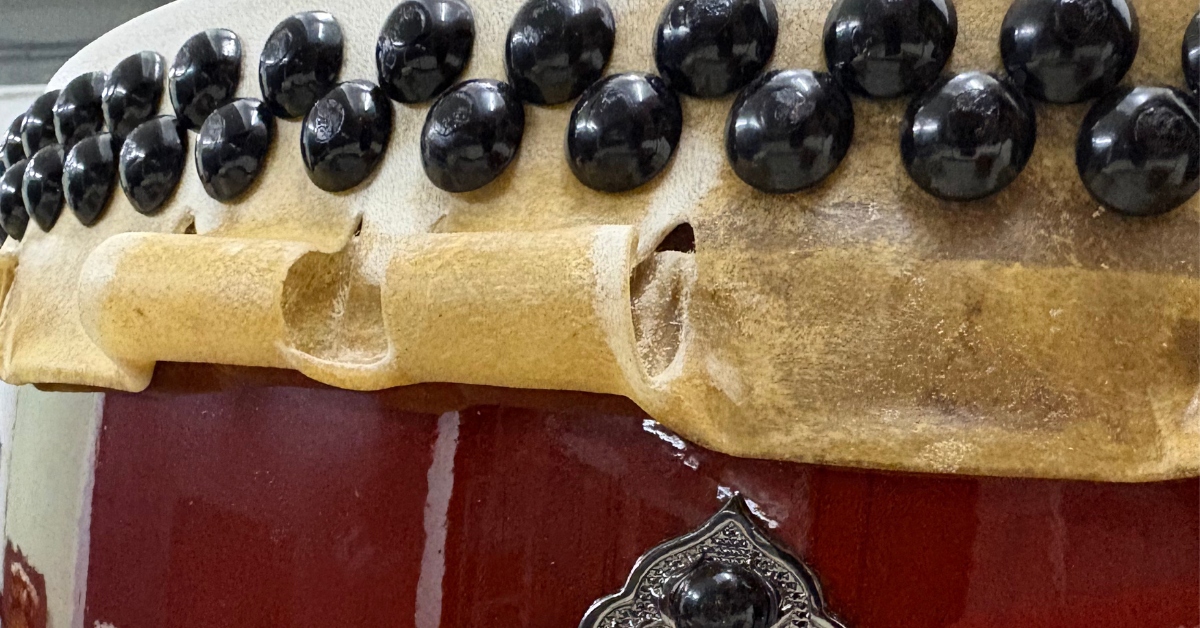
fastening (nails or rope)
All three elements influence the sound – but the material of the body is particularly important.
Types of wood used in taiko drums
Traditionally, taiko drums are made of solid wood. Depending on the type of wood, different sound characteristics result.
Commonly used types of wood
Keyaki (zelkove)
-
very hard, dense wood
-
powerful, deep sound
-
long response
-
traditional and high-quality
Maple or similar hardwoods
-
balanced sound
-
good projection
-
often in modern drums
Multi-layered wood (laminated)
-
uniform structure
-
stable and dimensionally stable
-
a slightly more controlled sound
The material of the taiko drum determines whether the sound is warm, deep, direct or open.
Drumheads: a natural material with character
Even though the focus is often on the wood, the skin is crucial for the response.
Typical examples are:
-
natural hides (e.g., cowhide)
-
different fur thicknesses
-
natural irregularities
Natural furs are sensitive to:
-
humidity
-
temperature
-
play intensity
This makes each taiko drum unique in sound.
Bachi wood types and their influence on sound
Not only the drum itself, but also the bachi significantly influence the sound.
Common bachi materials
Hardwood
-
clear, loud attack
-
precise articulation
-
ideal for powerful play
Softer wood types
-
warmer sound
-
less attack
-
more comfortable during long sessions
Besides wood, also play:
-
diameter
-
length
-
weight
a major role in sound and playing feel.
Interaction of drum and gear
The final taiko sound always arises from the interplay of:
-
drum material
-
drumhead
-
playing technique
A hard wood drum with heavy bachi sounds completely different than a lighter drum with slimmer bachi – even with the same rhythm.
Therefore, it is worthwhile to consciously match taiko gear to the drum.
Material selection according to area of application
Different materials are useful depending on the game situation:
-
Practicing at home: controlled sound, pleasantly playable babble
-
Ensemble playing: assertive sound, clear articulation
-
Stage & performance: strong projection, visual presence
Material is not solely a quality criterion – but rather a question of intended use.
Material shapes sound, feeling, and expression
The choice of the right materials significantly determines how a taiko feels and sounds. The type of wood, drumhead, and bachi influence not only the sound, but also dynamics, control, and playing comfort.
Those who study the materials used in taiko drums and gear develop a better understanding of the instrument – and of their own style.