Taiko is far more than just a drum. The powerful sound, the expressive movements, and the interplay within the ensemble make taiko drumming a unique experience of music, physical activity, and tradition. But where does taiko actually come from – and how is it played today?
Here you will learn what taiko is, the history behind it, and which modern taiko styles have developed over time.
What does taiko mean?
The japanese word "taiko" (太鼓) literally translates to "drum". Outside of japan, however, the term is almost always used for the japanese art of drumming – that is, the rhythmic playing of large drums, usually in an ensemble.
Typical features of taiko are:
-
powerful, clear rhythms
-
large drums with a deep sound
-
choreographed movements
-
playing together in a group
Taiko combines music with visual presence and physical expressiveness.
The history of the taiko drum
The history of taiko drumming dates back many centuries. Drums were originally not used as stage instruments in japan, but had practical and spiritual functions.
Original areas of application
-
Religious rituals in shinto and buddhist temples
-
Festivals and processions (matsuri)
-
Military signals on the battlefield
-
Theatre forms such as Nō and Kabuki
The japanese drum was often used for communication, to structure time, or to accompany ceremonies.
The transition to modern taiko music
It was only in the 20th century that taiko developed into what is known worldwide today: an independent stage and ensemble art form.
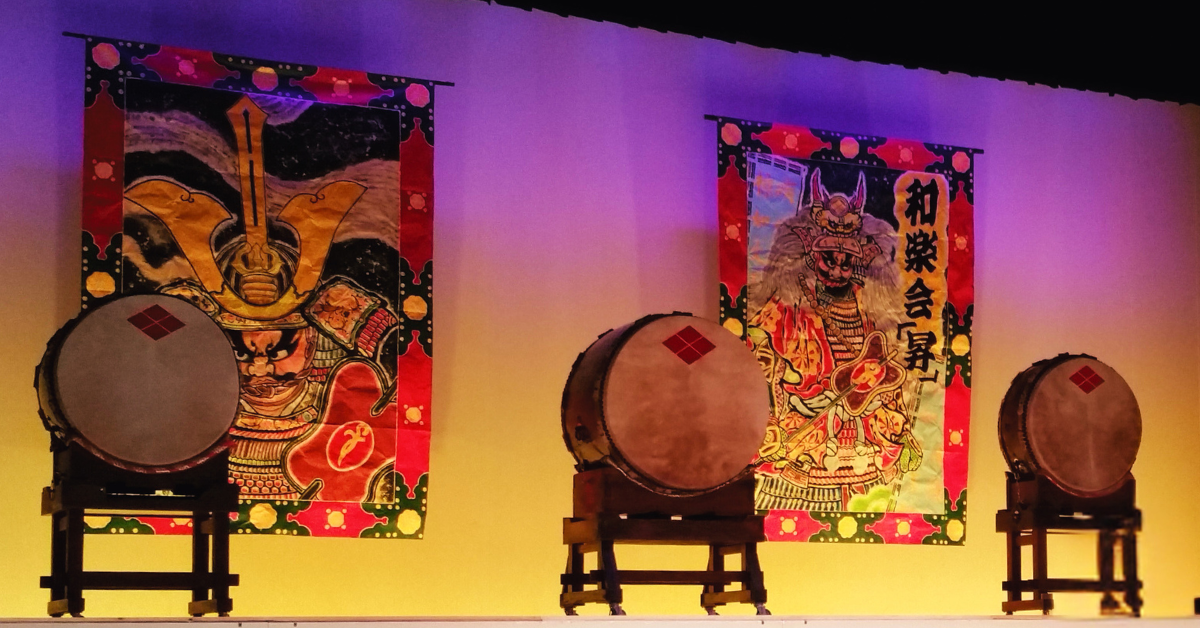
A milestone was the creation of Kumi-Daiko (ensemble taiko), in which several drums of different sizes are played together. This form made taiko more dynamic, louder, and more accessible – also for an international audience.
Today, taiko music can be found at festivals, concerts, in dojos and on large stages worldwide.
Overview of modern taiko styles
Taiko is not a rigid tradition, but a living art form with various expressions.
Traditional taiko
-
close connection to regional festivals
-
fixed rhythms and routines
-
often rooted in a cultural context
Ensemble taiko (Kumi-Daiko)
-
several players and drums
-
powerful arrangements
-
strong visual elements
Stage and performance taiko
-
choreographed movements
-
Influences from dance, theatre and martial arts
-
often large show productions
Modern & experimental taiko
-
Fusion with rock, jazz, or electronic music
-
new playing techniques
-
creative use of accessories and setups
Playing taiko: more than just rhythm
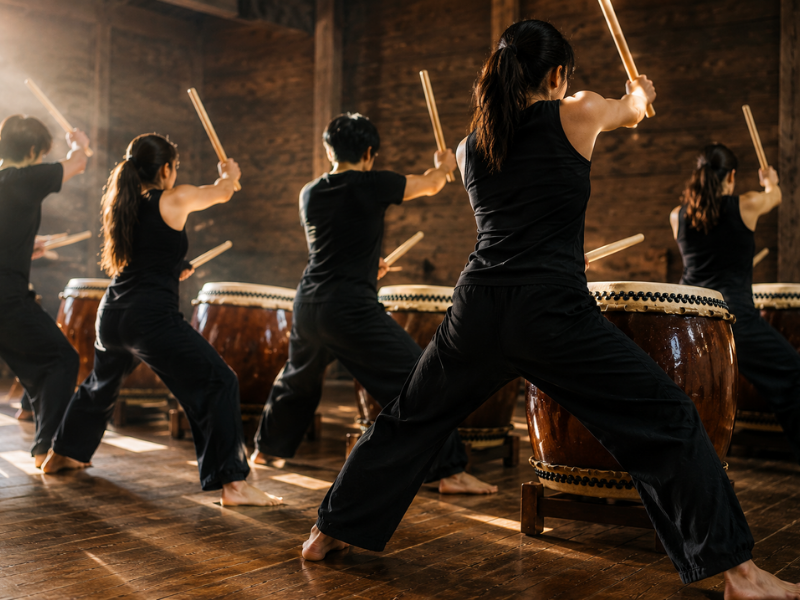
Playing taiko is not just about technique, but also about posture, timing, and presence. Typical characteristics include:
-
deep, stable stances
-
conscious, large movements
-
precise use of bachi (drumsticks)
That's precisely why the right taiko gear play an important role – from suitable bachi to stable drum stands.
Why taiko continues to fascinate
Taiko connects:
-
centuries-old tradition
-
physical energy
-
community and cooperation
-
a distinctive sound
Whether as a spectator or an active player – taiko drums create an immediate effect that you not only hear, but feel.