Taiko stands for powerful rhythms, impressive movements, and a centuries-old tradition. The large japanese drums are not just musical instruments, but part of a cultural expression that combines music, movement, and community.
Today, taiko drumming is played worldwide – on stages, in ensembles, in dojos, and at cultural events. But what exactly does taiko mean, and why does this drumming art inspire so many people?
What does taiko mean?
The japanese word taiko (太鼓) simply translates as "drum". Outside of Japan, however, the term is usually used for the entire art form of japanese drumming.
Typical features of taiko are:
-
large, powerful-sounding drums
-
rhythmic ensemble pieces
-
dynamic movements while playing
-
a strong connection between rhythm and bodywork
Taiko is therefore not just music, but also a visual and physical performance.
The history of the taiko drum
The taiko drum has a long tradition in Japan. Drums were already in use many centuries ago – often in religious or social contexts.
Historical areas of use included:
-
temple rituals in Shinto and Buddhism
-
village festivals and Matsuri
-
military signals
-
traditional theatre forms such as Nō and Kabuki
The drum served not only for music, but also for communication and structuring ceremonies.
Modern taiko ensembles
The taiko style, which is known worldwide today, developed primarily in the 20th century. The so-called Kumi-Daiko form brought together several drums and players.
Characteristics of modern taiko ensembles:
-
different drum sizes
-
complex rhythmic arrangements
-
synchronized movements
-
strong stage presence
This form made taiko music internationally popular and led to the formation of groups in many countries.
What types of taiko drums are there?
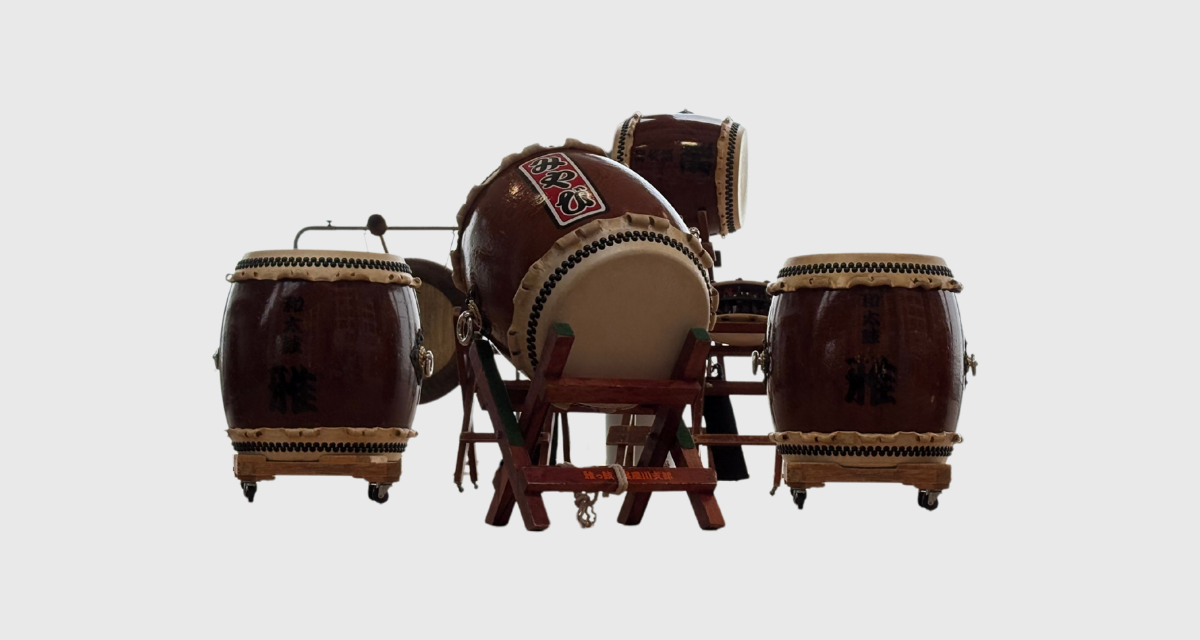
There are different types of taiko drums, which differ in size, sound, and use.
Nagadō-Daiko
The classic, elongated taiko drum with a deep, powerful sound. It is often played in ensembles.
Shime Daiko
A smaller drum with a very high tension on the drumhead. It produces a clear, sharp sound and often sets the rhythm.
Ōdaiko
The large concert drum with enormous sound power. It is usually used as the central instrument on stage.
Each drum fulfills its own musical role in the ensemble.
Playing taiko: thythm with the whole body
Playing taiko involves more than just using the hands. The entire body posture is part of the performance.
Typical examples are:
-
low stances
-
large, clear movements
-
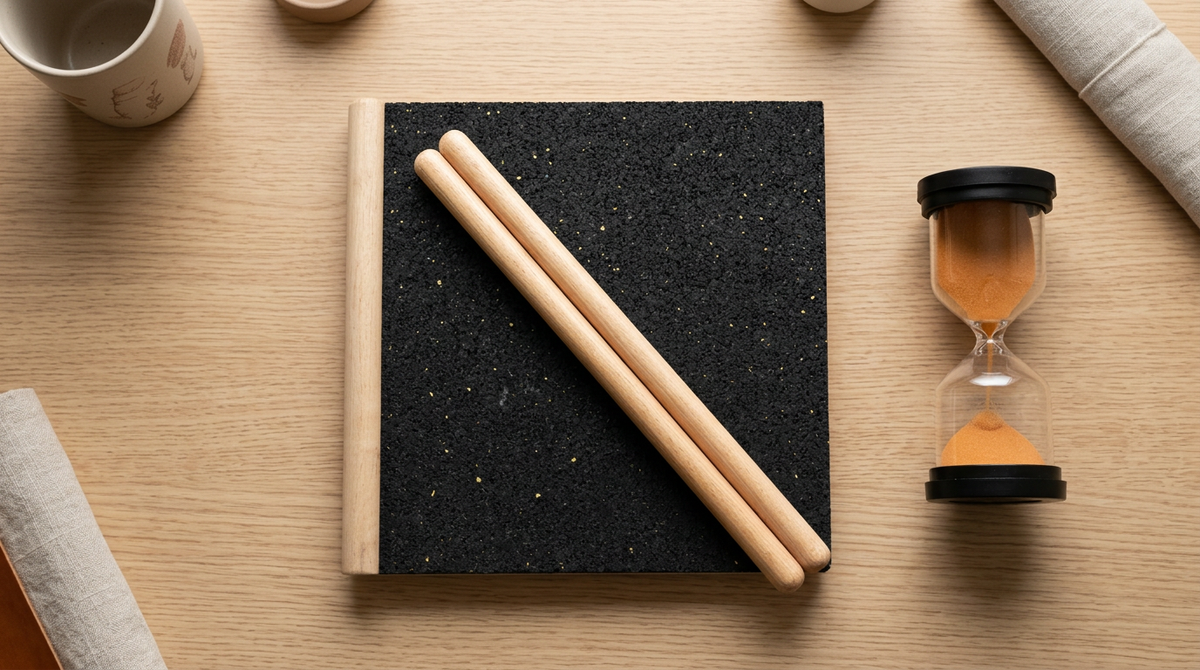
precise use of the bachi (drumsticks)
The play requires strength, a sense of rhythm and concentration – but is also very accessible for beginners.
Why taiko is so popular worldwide
Many people are discovering taiko not just as music, but as a holistic experience.
Taiko connects:
-
rhythm and movement
-
physical energy
-
teamwork within the ensemble
-
cultural tradition
This combination makes taiko particularly fascinating for many players.
Taiko - tradition and energy in one instrument
Taiko drums represent powerful music, centuries-old tradition and a unique combination of sound and movement.
Whether as a cultural art form, ensemble music or personal passion - taiko offers an intense experience that goes far beyond just drumming.